Introduction
This programme is designed specifically for Oil & Gas corporates, including trading, commercial, finance, treasury, and operations teams, who want to master the practical use of trade finance solutions across the energy value chain.
With an emphasis on real-life Oil & Gas transactions, the course explains how trade finance tools are used to support crude, refined products, LNG, and gas flows, manage working capital, mitigate counterparty and country risk, and ensure smooth physical execution.
Rather than approaching trade finance from a purely banking or theoretical perspective, the programme focuses on how Oil & Gas trading companies actually interact with banks and how financial structures can be applied to make commercial transactions financeable, executable, and scalable.
Key questions addressed include:
- Which trade finance products are most relevant for Oil & Gas corporates?
- How are these products used across procurement, trading, and sales contracts?
- What do banks require to support Oil & Gas transactions?
- How can corporates structure deals to optimise liquidity, reduce risk, and avoid execution bottlenecks?
A senior trade finance banker with extensive energy-sector experience will guide participants through these topics using practical case studies, covering:
- Physical oil and gas trade flows
- Documentary requirements and title transfer
- Risk allocation between corporates and banks
- Common pitfalls that delay payment or block financing
The course adopts a hands-on, applied approach: theoretical concepts are linked to specific examples, with the objective of enabling participants to structure bankable transactions, communicate more effectively with financing banks, and strengthen their company’s commercial position in global energy markets.
Learning Outcomes:
By the end of this course, participants will be equipped to:
- Understand the roles and responsibilities of all parties involved in trade transactions, including producers, traders, buyers, shipping companies, insurers, and financing banks.
- Navigate the relationship between Oil & Gas corporates and financing banks, understanding how banks assess risk, liquidity, documentation, and compliance when supporting energy transactions.
- Select and apply appropriate trade finance structures (e.g. LCs, SBLCs, inventory finance, pre-export finance) to support crude oil, refined products, LNG, and gas trades across different markets and jurisdictions.
- Identify when and why insurance coverage is required in Oil & Gas trades, including cargo, political risk, and credit risk, and understand how insurance interacts with financing structures.
- Structure and negotiate trade finance arrangements that align with corporate commercial and treasury objectives, while mitigating risks related to price volatility, counterparty default, logistics, and country exposure.
- Assess the bankability of Oil & Gas transactions, recognising common execution and documentation pitfalls that delay payment, increase costs, or prevent financing.
- Use trade finance as a strategic tool to enhance liquidity, optimise working capital, and strengthen competitive positioning in volatile and fast-moving energy markets
Agenda
The course will leave participants with a practical framework to structure, execute, and finance oil & gas trades, improve internal coordination, and engage more effectively with financing banks.
Instructors
Price
Certificate
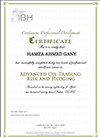
Demonstrate your new skills and gain a step up in your career with globally recognised CPD certifications.